23 October 2026
How Long Does Professional House Washing Actually Last?
Presented by @riverbikw603
Professional house washing often keeps a home looking noticeably cleaner for about 12 to 24 months. That is a practical planning range, not a guarantee. In Richmond, Virginia, shaded siding exposed to persistent moisture may develop visible algae again within 6 to 12 months, while sunny, well-drained areas can stay presentable longer.
The actual lifespan depends on what caused the discoloration, how the surface is cleaned, and the conditions around your home. A professional wash removes existing grime and biological growth, but it does not permanently prevent new contamination. Understanding that distinction helps you schedule service sensibly rather than paying for unnecessary cleaning or waiting until buildup becomes difficult to remove.
What Does It Mean for House Washing to “Last”?
A freshly washed exterior does not stay completely free of dust, pollen, or airborne particles for months. Those materials can begin settling again almost immediately. However, a light coating of pollen is different from the widespread green algae, dark streaks, or heavy dirt that usually prompts a house washing appointment.
For most homeowners, the useful measure is how long the exterior remains acceptably clean before another full wash is worthwhile. That depends partly on expectations. Someone preparing to sell a home may want a cleaner appearance than someone following a routine maintenance schedule.
It is also important to distinguish contamination from permanent surface changes. Oxidized siding, faded paint, rust staining, and deteriorating finishes may remain visible after cleaning. Washing cannot reverse those conditions, and repeatedly cleaning them can cause damage without improving the result.
How Richmond’s Climate Affects Cleaning Results
Richmond’s humid summers, seasonal pollen, rainfall, and established tree canopy create favorable conditions for exterior buildup. Homes in wooded surroundings often face different maintenance needs from houses on open, sunny lots, even within the same neighborhood.
Humidity and Slow-Drying Surfaces
Algae and other biological growth tend to return faster where surfaces remain damp. North-facing walls often receive less direct sunlight, while deep shade, dense shrubs, and limited airflow can slow drying after rain or morning dew.
This does not mean every shaded wall needs washing twice a year. It means the most moisture-prone side of the house may need attention before the rest of the exterior. Checking those areas periodically is more useful than assuming all walls will stay clean for the same length of time.
Pollen, Leaves, and Tree Debris
Richmond’s spring pollen can quickly dull a freshly cleaned exterior. Pollen on horizontal trim, porch railings, and siding ledges does not necessarily mean the wash has failed. Some loose material may rinse away with rain, while sheltered areas can retain it.
Nearby trees also contribute leaves, seeds, and organic debris. Overhanging branches can increase shade and deposit material on roofs and gutters, creating conditions that encourage recurring stains.
Runoff and Splashback
Overflowing gutters, poorly directed downspouts, and soil splashing against lower siding can shorten the time between cleanings. If a dirty stripe returns beneath the same gutter joint, cleaning alone is unlikely to solve the underlying problem. Correcting the water-management issue usually provides more lasting value.
Practical Cleaning Intervals for Richmond Homes
The following ranges are useful starting points rather than fixed maintenance requirements. Surface condition, manufacturer instructions, and actual buildup should guide the final schedule.
- Typical residential siding: Plan to assess the need for house washing every 12 months, with many homes benefiting from service roughly every 12 to 24 months.
- Heavily shaded or moisture-prone siding: Inspect at around six months. Some properties develop enough visible growth to justify cleaning within 6 to 12 months.
- Sunny, open properties: Some remain acceptably clean for around two years or longer, especially when gutters and landscaping are maintained.
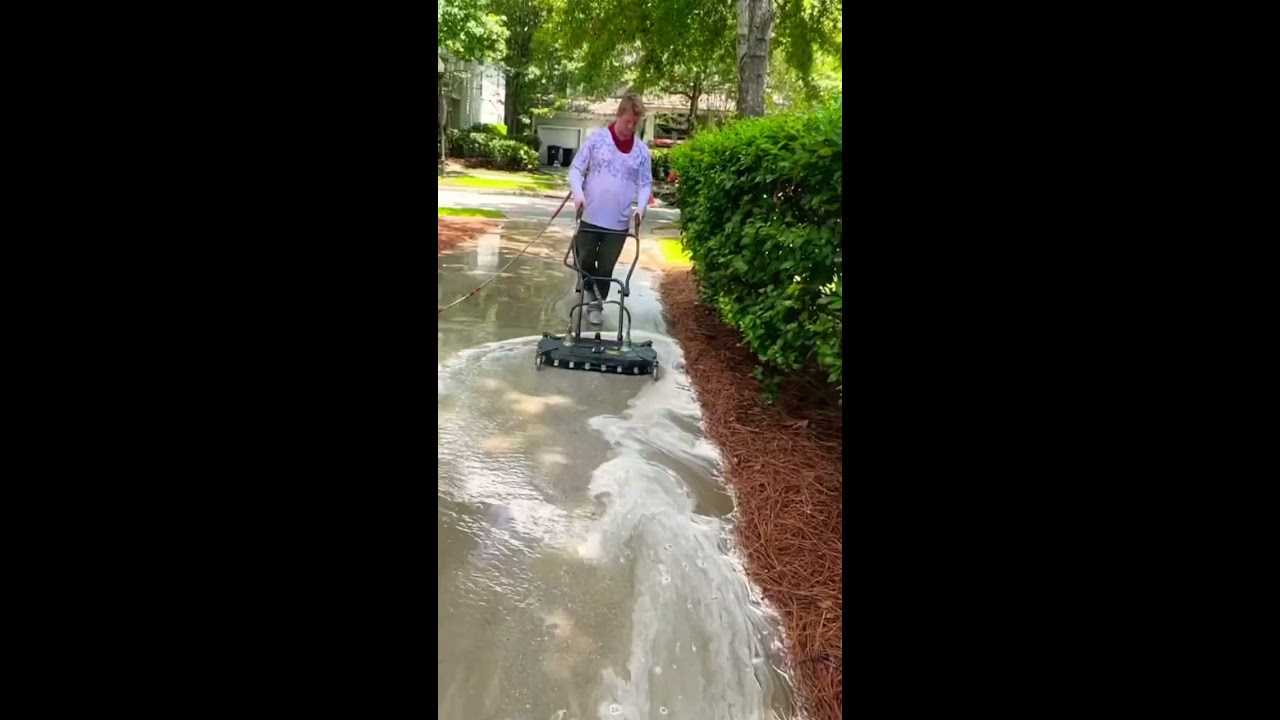
- Driveways and walkways: Evaluate separately for algae, traction problems, tire marks, and stains rather than assuming they follow the siding schedule.
- Roofs: Inspect periodically and clean only when appropriate for the roofing material and condition. Roof cleaning should not automatically become an annual service.
A whole-house wash is not always necessary when one small section becomes dirty. Ask whether targeted treatment is suitable and whether it could leave a noticeable contrast with surrounding surfaces.
Does the Cleaning Method Affect How Long Results Last?
Yes, particularly when biological growth is involved. However, longer-lasting results do not come from simply using more pressure or stronger chemicals. They come from matching the method to the material, identifying the contamination, and following appropriate application and rinsing procedures.
Soft Washing for Suitable Exterior Surfaces
Many professional house washing services use a low-pressure process commonly called soft washing. Appropriate cleaning solutions loosen dirt and treat biological https://brooksgnna832.raidersfanteamshop.com/is-pressure-washing-safe-for-older-richmond-homes growth, followed by controlled rinsing. This approach is commonly used on vinyl siding and many painted exterior surfaces, subject to their condition and manufacturer guidance.
When algae is the main problem, treatment that addresses the growth can produce a more durable result than rinsing away only the visible surface layer. Nevertheless, no standard wash makes siding permanently resistant to recolonization.
Pressure Washing and Power Washing
Pressure washing is not automatically the best method for every part of a house. Excessive pressure can force water behind siding, damage wood fibers, remove paint, and disturb vulnerable mortar. Water volume, nozzle selection, distance, and operator technique all matter.
The terms pressure washing and power washing are often used interchangeably in residential advertising. Technically, power washing generally refers to equipment that uses heated water. Heat can help with some oily or greasy contamination, but it is not inherently necessary for routine siding cleaning or a reason to expect longer-lasting results.
How Siding Material Changes the Maintenance Schedule
Vinyl Siding
Vinyl siding can remain attractive for years with appropriate maintenance, but shaded sections commonly show algae before sunny ones. Older vinyl may also develop a chalky layer caused by weathering and oxidation. That is different from dirt, and ordinary house washing may not remove it uniformly.
Tell the contractor about chalkiness, brittle panels, loose siding, or previous uneven cleaning before work begins. Aggressive washing can leave visible marks or expose differences in the underlying finish.
Painted Wood and Fiber Cement
Painted surfaces require attention to the condition of the coating. Peeling paint, open joints, exposed wood, and damaged caulk should be assessed before washing. Cleaning can reveal existing deterioration, but it does not repair it.

For fiber cement, follow the siding manufacturer’s maintenance instructions. A gentle approach helps avoid damage to the finish and vulnerable joints. If staining returns repeatedly in one location, investigate moisture sources rather than increasing cleaning frequency alone.
Brick, Stucco, and Mixed-Material Exteriors
Masonry and stucco require methods suited to the specific assembly and its condition. Older mortar, cracks, and exterior insulation and finish systems need particular care. Some white deposits on masonry are efflorescence, a mineral-related condition that differs from algae and may require separate diagnosis.
On a mixed-material home, one cleaning method may not suit every surface. A careful contractor adjusts the approach instead of applying the same pressure and solution across siding, trim, brick, and decorative features.
How to Help Your House Stay Clean Longer
The most effective steps usually involve moisture control and routine upkeep, not additional chemicals. These tasks can reduce the conditions that cause rapid regrowth:
- Maintain gutters and downspouts. Clear blockages and repair leaks or overflows that repeatedly wet exterior walls.
- Improve airflow around siding. Trim shrubs and branches where practical, leaving room for surfaces to dry without damaging landscaping.
- Adjust irrigation. Redirect sprinklers that spray siding, foundations, or walkways.
- Reduce soil splashback. Maintain suitable landscaping and drainage while keeping soil and mulch below required siding clearances.
- Check vulnerable areas seasonally. Look beneath gutters, behind shrubs, and along shaded walls so small recurring problems are identified early.
- Follow material-specific care instructions. Avoid improvised chemical mixtures, abrasive scrubbing, and high-pressure touch-ups that may damage finishes.
Do not assume an aftermarket coating or “growth inhibitor” is necessary. Before approving one, ask for its product information, compatibility with your exterior, expected benefit, and any warranty limitations.
Do Driveway Cleaning and Roof Cleaning Last as Long?
Not necessarily. Although companies often bundle these services, each surface faces different conditions.
Driveway cleaning removes accumulated dirt and suitable surface contamination, but new tire marks, oil leaks, leaf stains, and algae can appear on different timelines. Shaded concrete that stays damp may need attention sooner than a sunny driveway. Cleaning also does not repair cracks, reverse surface wear, or guarantee removal of deeply absorbed oil.
Roof cleaning requires a separate assessment. Asphalt shingles generally should not be subjected to high-pressure washing, which can damage them. Contractors should follow the roofing manufacturer’s cleaning guidance and consider the roof’s age and condition. Roof stains may take longer to return than siding algae, but there is no reliable interval that applies to every roof or treatment.
What to Ask Before Booking House Washing
Ask the contractor which areas are included, how each material will be cleaned, and whether specific stains require separate treatment. Confirm whether the estimate covers gutters’ exterior faces, soffits, porch ceilings, and detached structures, rather than assuming “whole house” includes everything.
Discuss how landscaping, electrical fixtures, exterior outlets, and nearby property will be protected. Cleaning solutions and wastewater also need responsible handling. Runoff containing detergents or contaminants should not be allowed to enter storm drains; ask how the provider addresses site conditions and applicable Richmond requirements.
If a company advertises a multi-year guarantee, read the details. A warranty may cover only certain biological growth, exclude shaded areas, or require follow-up treatments. Ask whether return visits are included and what conditions could invalidate coverage.
The Bottom Line: Inspect Annually, Clean When Needed
For many Richmond homes, 12 to 24 months is a reasonable planning range for professional house washing. Shaded, damp areas may need attention sooner, while sunny properties can remain presentable longer. The best schedule reflects your siding, surroundings, and expectations rather than a blanket annual requirement.
Inspect the exterior each year, address recurring moisture problems, and choose a cleaning method appropriate for the material. That approach helps results last while avoiding unnecessary expense and excessive cleaning.
Richmond Pressure Cleaning
Unit 2/420 Church St, Richmond VIC 3121
ph. (03) 4231 7213